Consulting Project: Where Executive MBA Learning Meets Real Wolrd Challenges
One of the key elements of the Executive MBA experience is the Consulting Project. A five-month journey that allows participants to apply what they have experienced and learned to real business challenges faced by real organisations.
While many management programmes rely primarily on case studies and classroom discussions, the Consulting Project takes learning one step further. Participants move beyond analysing historical business situations and become active contributors to strategic decision-making processes within partner organisations.
The project begins with a foundation in consulting methodologies, frameworks, and structured problem-solving approaches. Participants are then assigned to multidisciplinary teams and paired with an external partner organisation that presents a genuine business challenge requiring strategic analysis and recommendations.
Importantly, this is not a simulation. The challenges addressed by participants are current, complex, and often characterised by uncertainty, incomplete information, and competing interests. Conditions that closely resemble the reality of executive leadership.
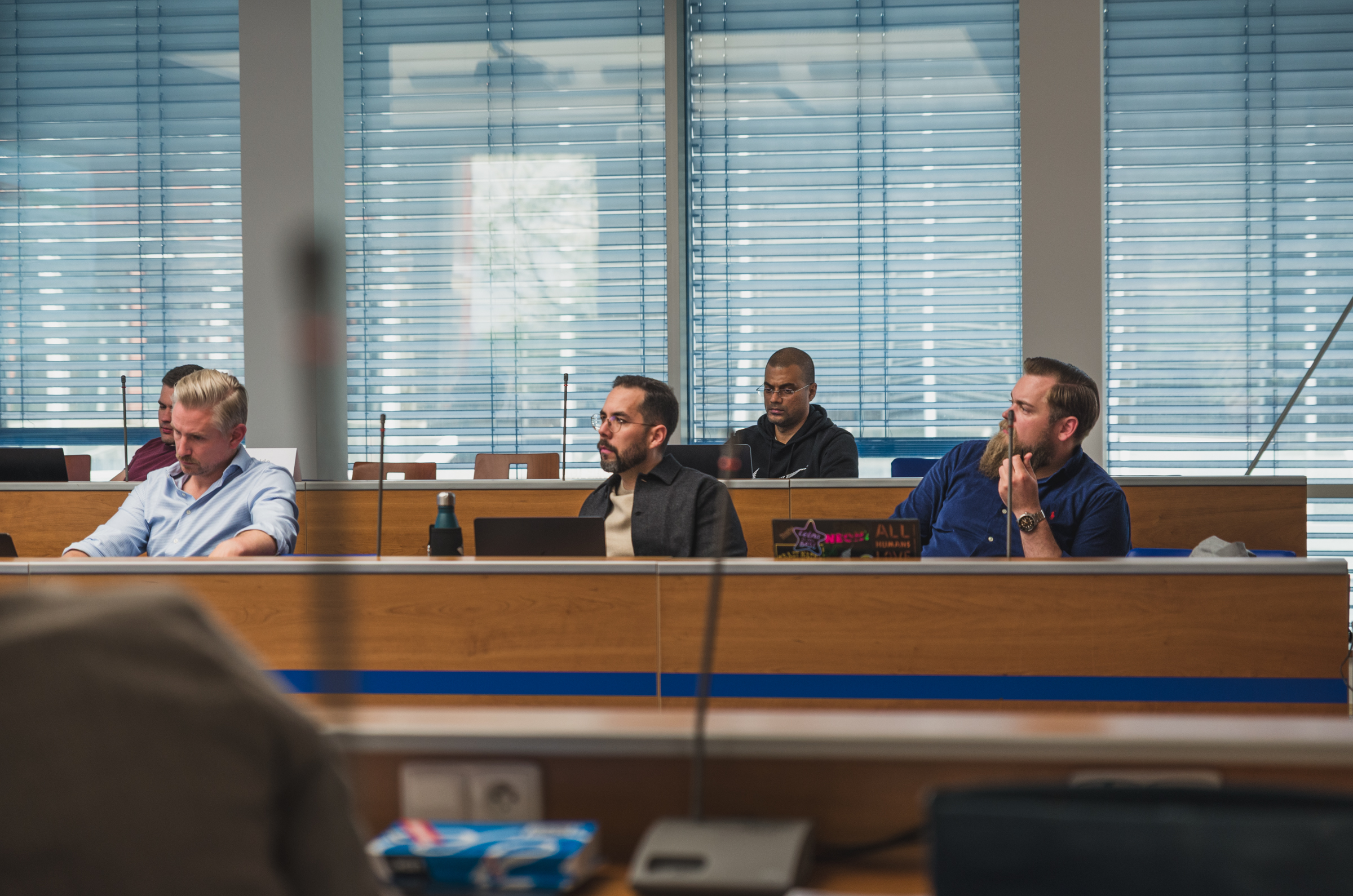
Throughout the project, teams are expected to take ownership of the entire consulting process. They work directly with clients and supervisors to clarify objectives, refine the project scope, and ensure alignment on expected outcomes. From there, participants formulate hypotheses, gather and analyse data, evaluate strategic alternatives, and ultimately recommend a preferred course of action supported by evidence and business rationale.
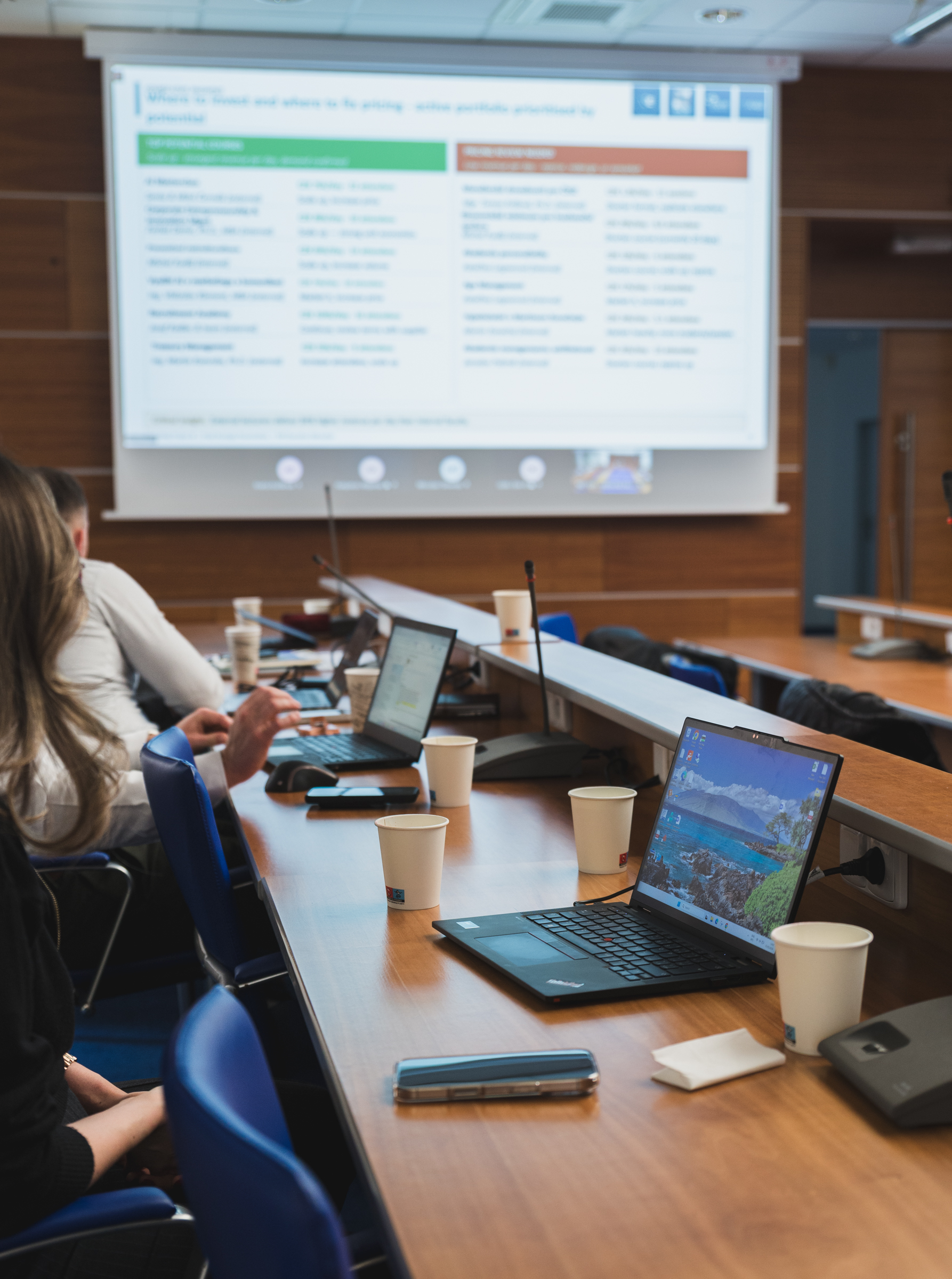
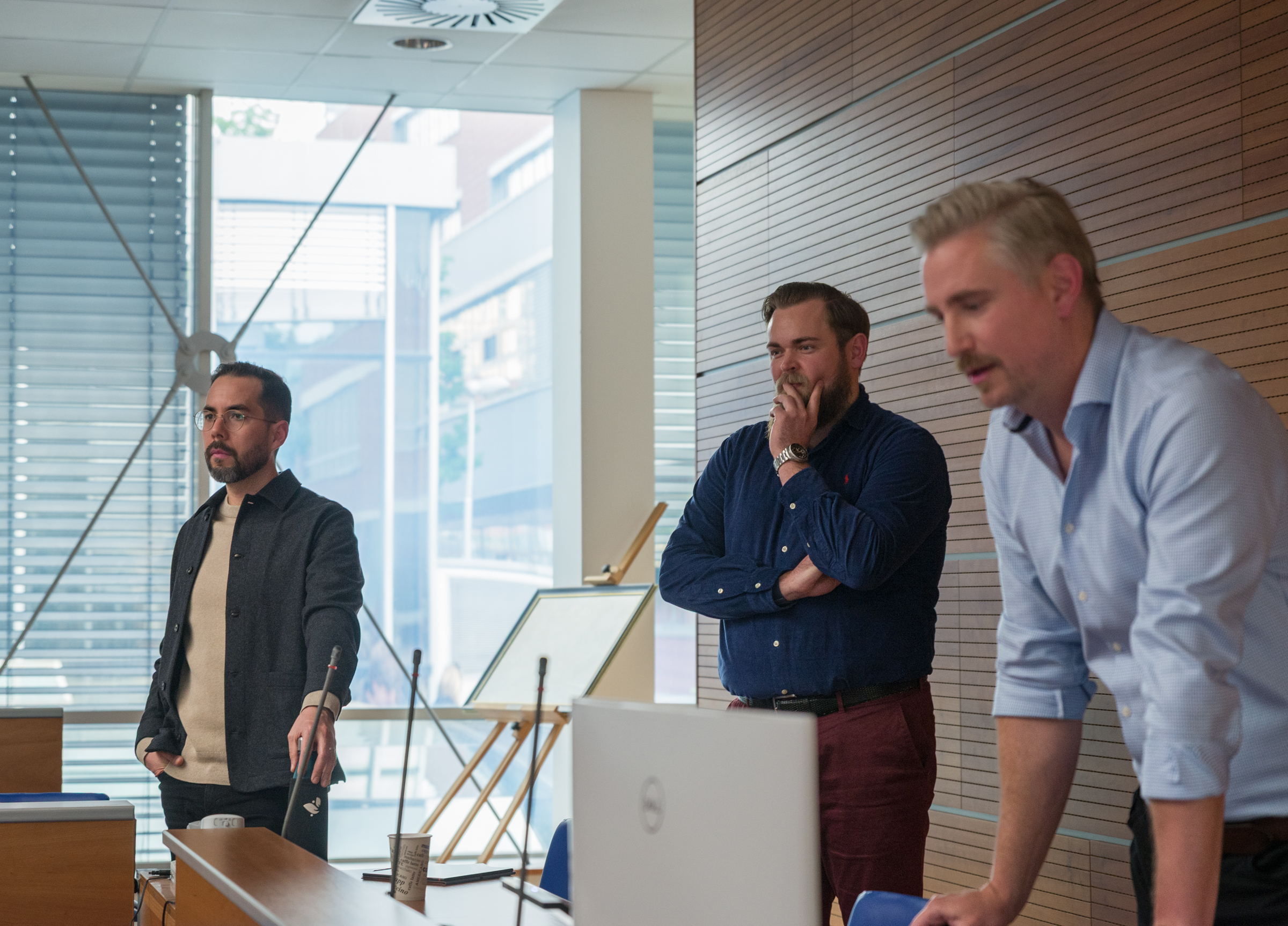
The final stage requires participants to translate strategy into execution by developing a detailed implementation proposal and presenting their recommendations to senior stakeholders.
Learning Beyond Functional Expertise
One of the most valuable aspects of the Consulting Project is the opportunity for participants to step outside their professional comfort zones.
Executive MBA cohorts bring together experienced professionals from diverse industries and functions, including finance, marketing, operations, technology, consulting, entrepreneurship, or general management. As a result, project teams often consist of individuals with complementary expertise and perspectives.
A finance executive may find themselves contributing to a market expansion strategy. A marketing leader may work on operational transformation or ecosystem development. Technology specialists may need to consider organisational, financial, or customer-related implications of strategic decisions.
This cross-functional collaboration mirrors the reality of executive leadership, where business challenges rarely fit neatly within departmental boundaries.
The project, therefore, develops not only analytical capabilities but also communication, stakeholder management, leadership, and teamwork skills. Participants learn how to navigate ambiguity, build consensus, challenge assumptions, and make decisions in situations where there is no obvious correct answer.
Real Organisations, Real Impact
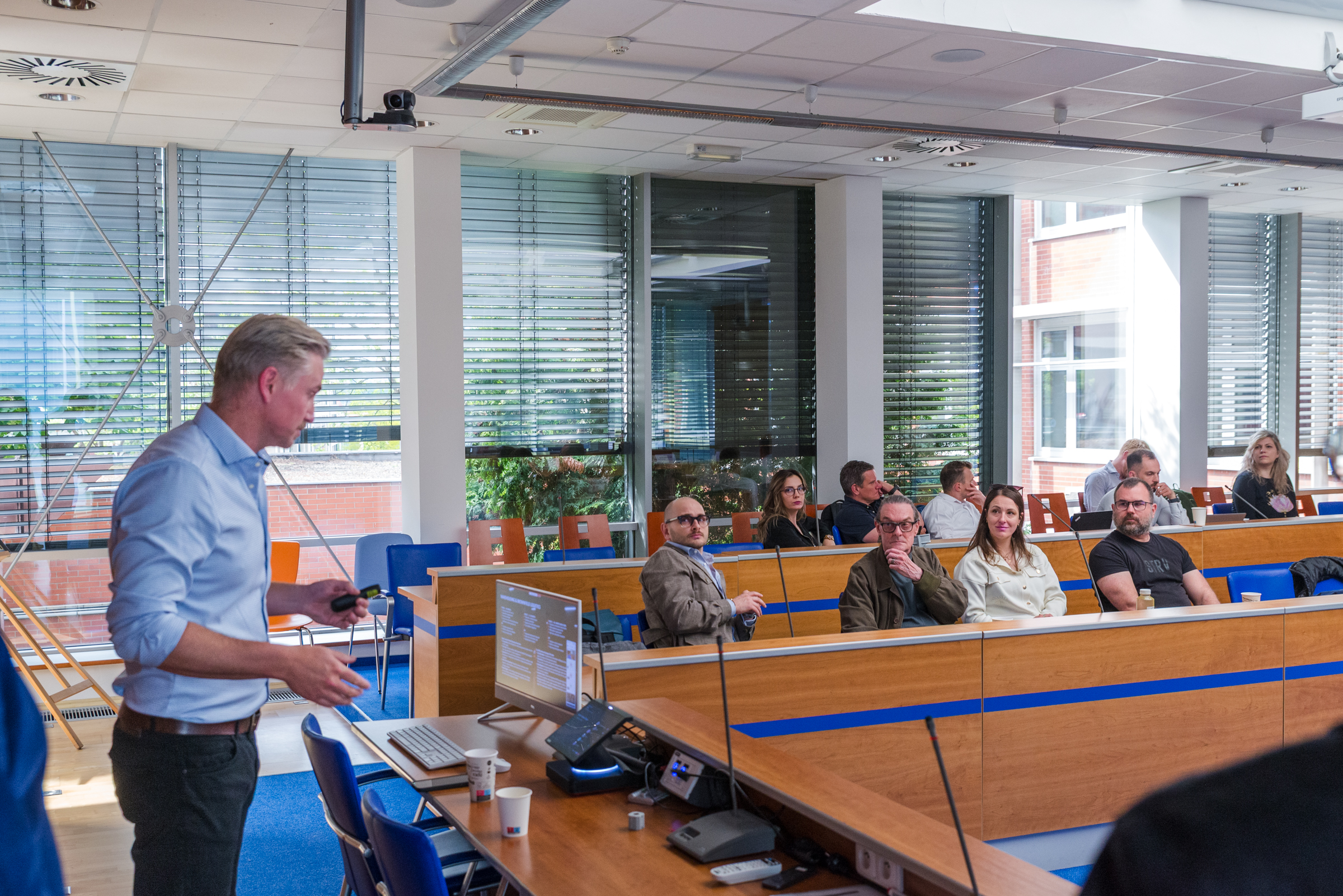
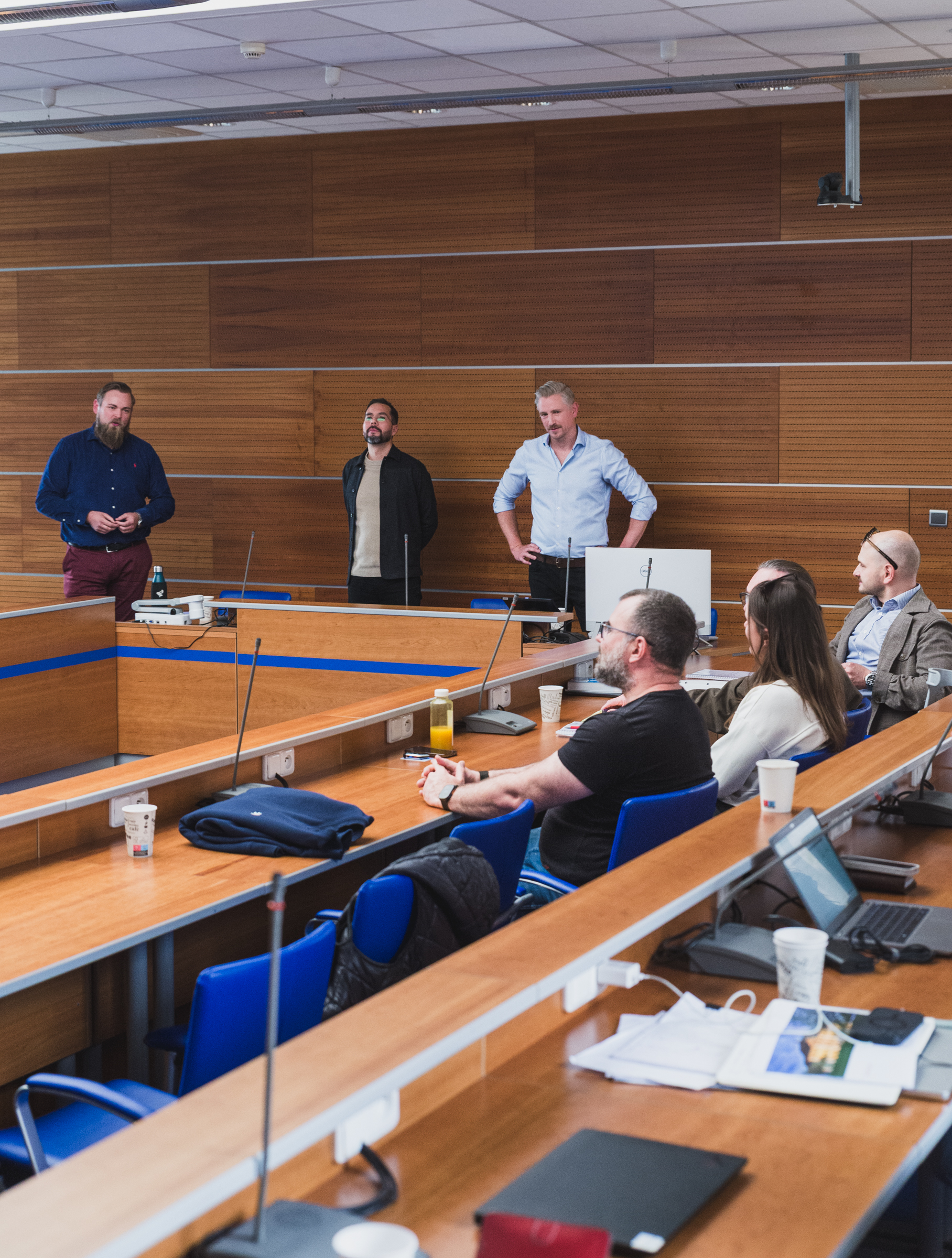
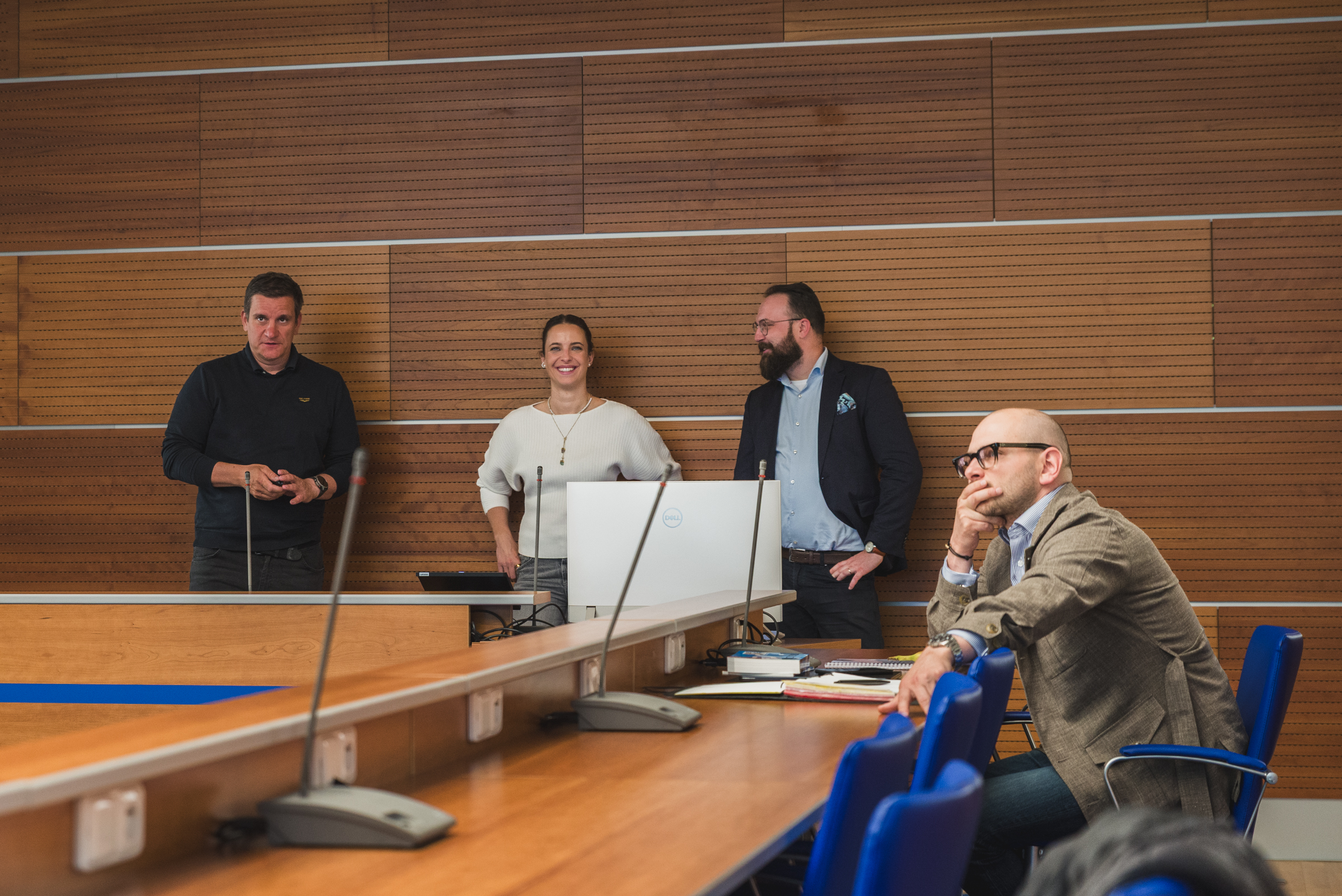
This year’s Executive MBA participants worked on projects for organisations including STRV, Zámek Žďár nad Sázavou and the Executive Education platform at VŠE.
Working closely with representatives such as Jan Kaltoun, Karolina Zvolská, and Constantin Kinský, participants addressed strategic questions with genuine business implications and developed recommendations intended to create measurable value for their partner organisations.
The Consulting Project becomes one of the most memorable experiences of the programme. It provides an opportunity to combine academic knowledge with practical execution while learning from both faculty and fellow executives.
Preparing Leaders for Complex Business Environments
The Consulting Project reflects a broader philosophy of the Executive MBA programme. Modern executives are rarely successful because they are the best specialists in a single area. Their value lies in their ability to connect diverse perspectives, understand complex systems, and lead organisations through uncertainty.
The ability to frame problems correctly, analyse information critically, align stakeholders, and develop actionable solutions has become a core leadership competency. Through the Consulting Project, participants strengthen precisely these capabilities.
Because the role of an executive is not simply to excel within a functional silo. It is to solve complex business problems that cut across functions, industries, and organisational structures. And to turn strategic thinking into meaningful business outcomes.