Communication Skills Seminar: Leadership Begins with Communication
Leadership is often associated with making difficult decisions, setting direction, and delivering results. Yet even the best decisions can fail if leaders are unable to communicate them in a way that others understand, trust, and are willing to follow.
This is why communication is an essential part of the Executive MBA experience.
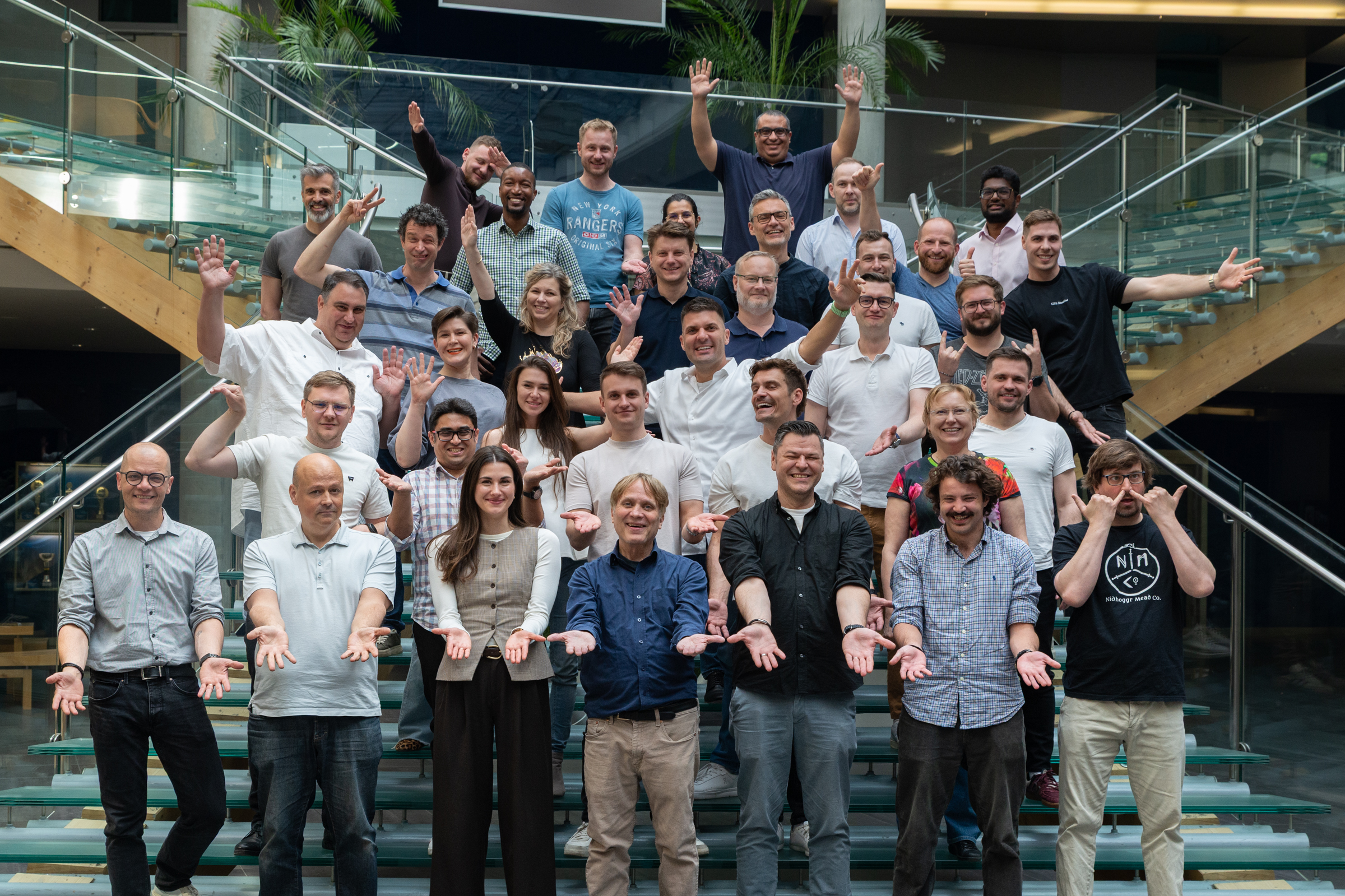
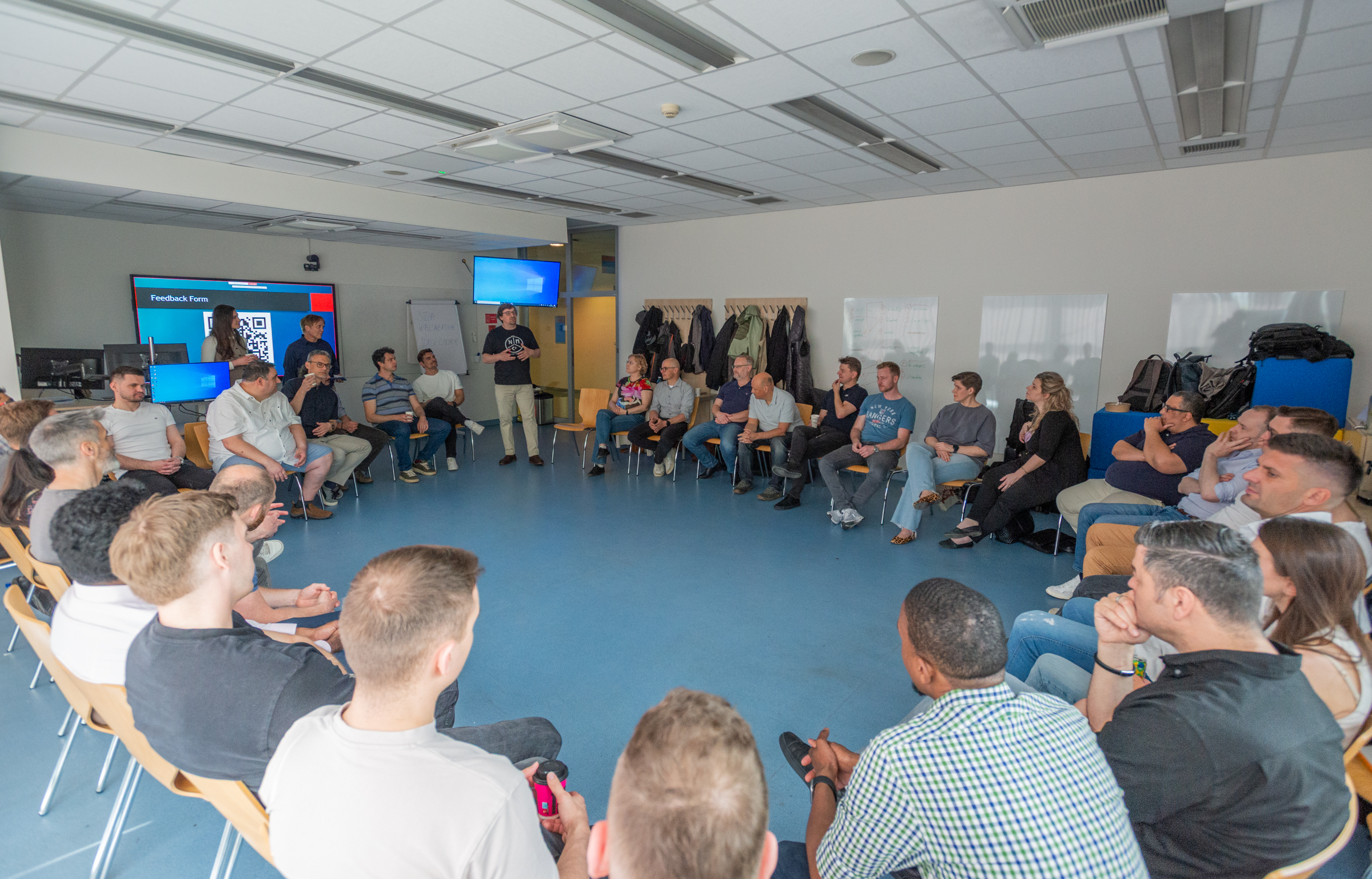
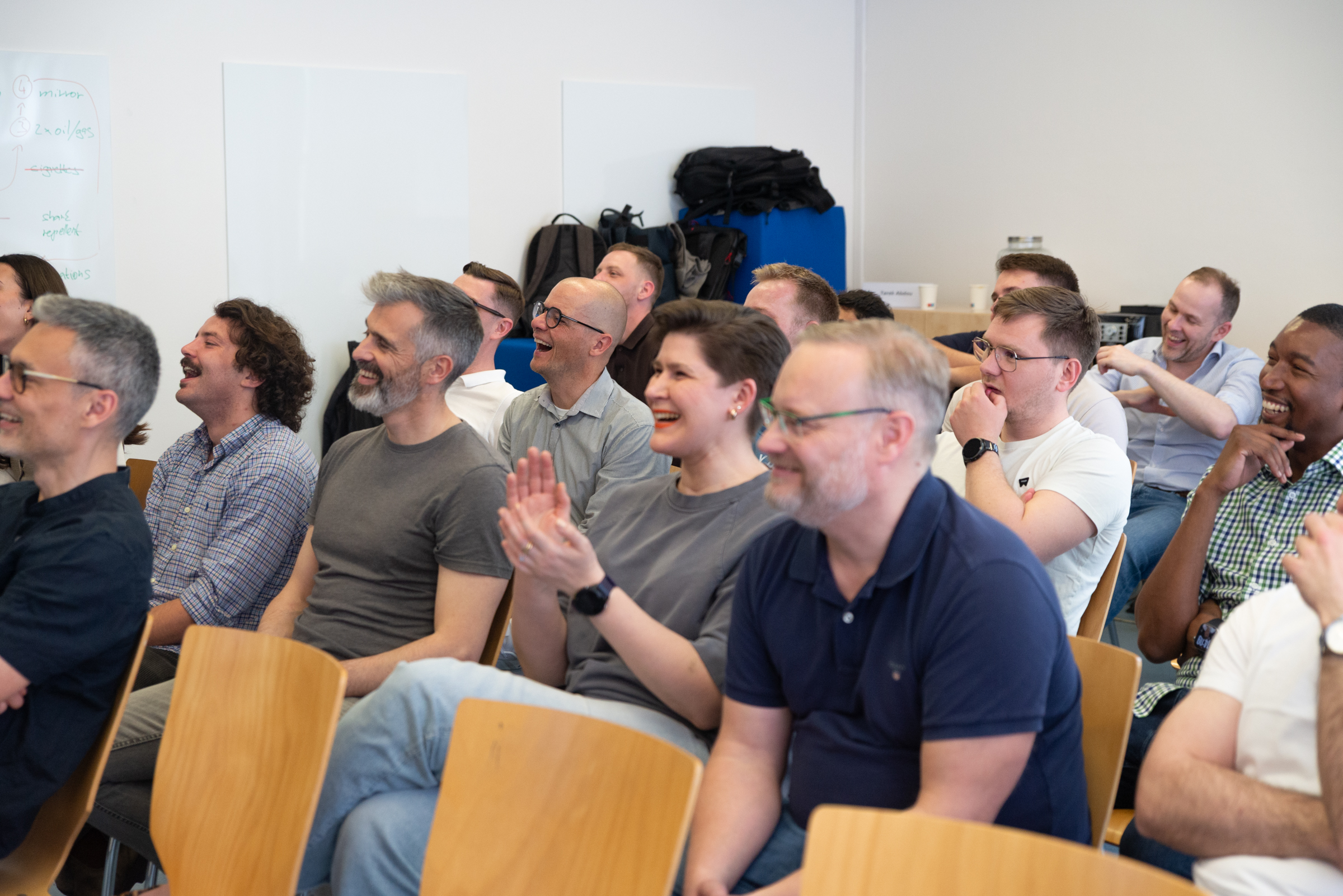
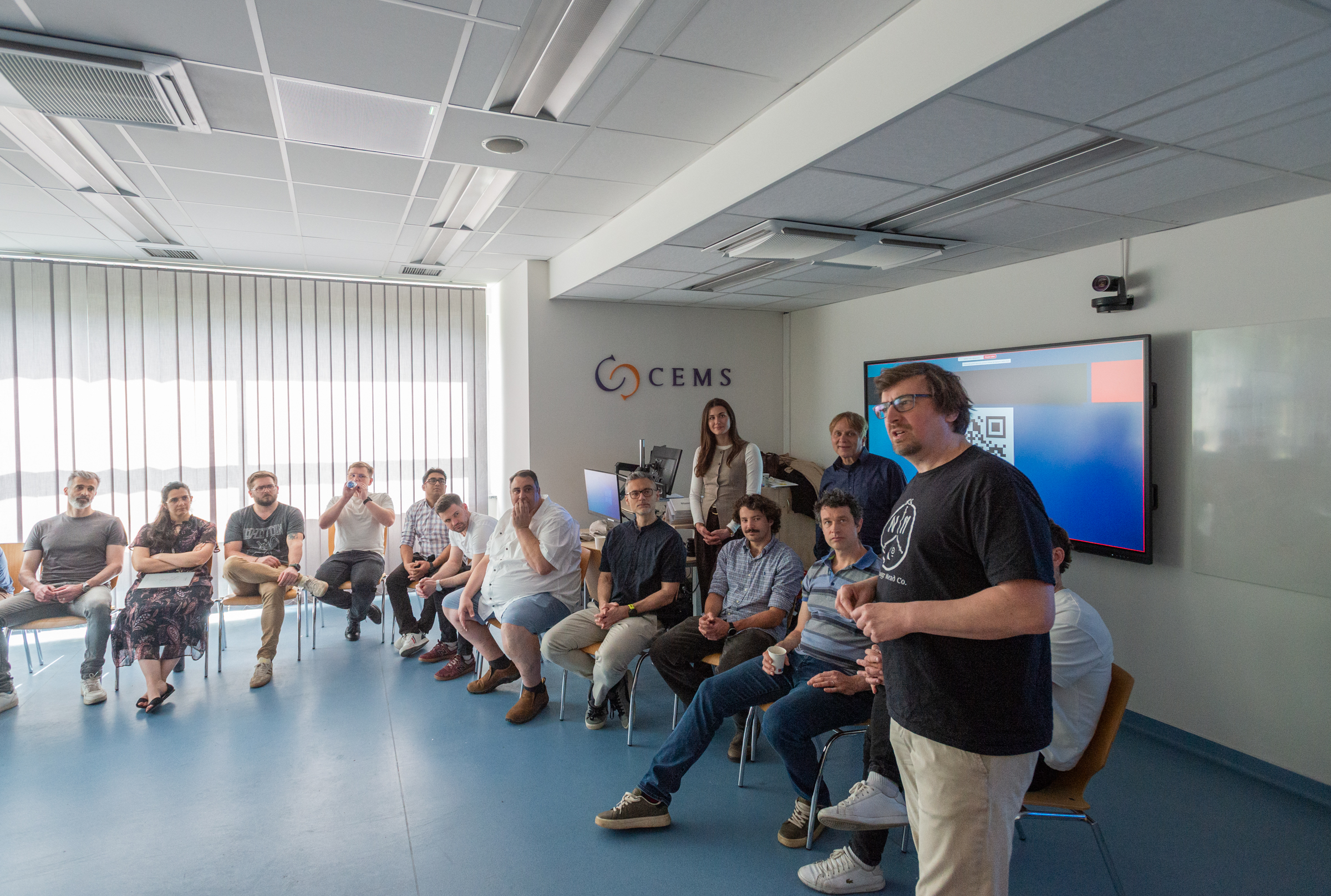
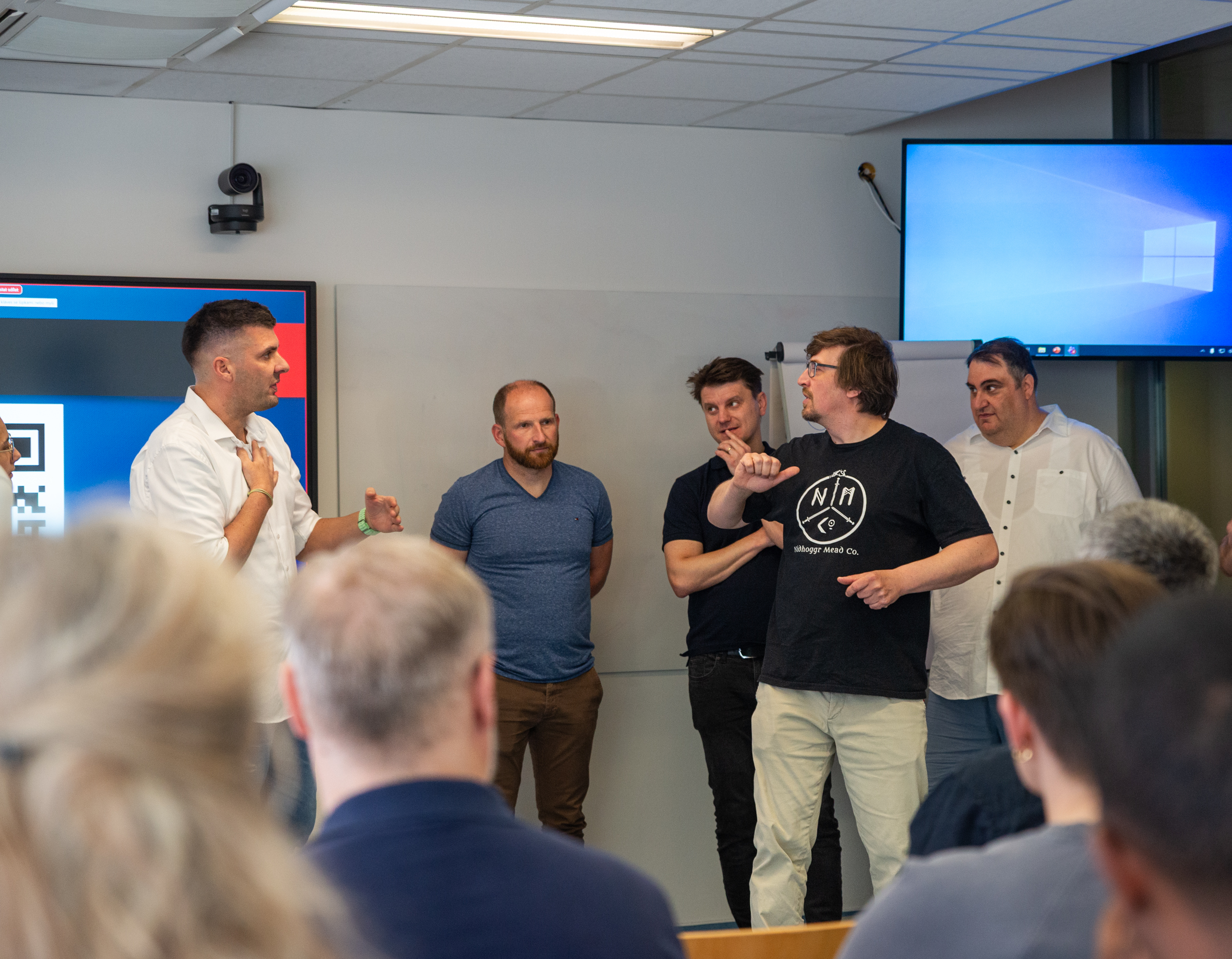

A few weeks ago, participants from our Executive MBA 2025 cohort stepped outside their comfort zones during the Communication Skills Seminar led by experienced communication coach and university lecturer Jorge Cooper. The seminar challenged participants to rethink the way they present themselves, engage with others, and communicate under pressure.
Leadership communication is, to some extent, performance. Not in the sense of being artificial or rehearsed, but in the ability to consciously work with presence, energy, emotions, and the attention of an audience. Senior leaders are expected to inspire confidence, align diverse teams behind a common vision, and navigate uncertainty. Achieving this requires far more than technical expertise or analytical thinking.
Throughout the seminar, participants explored their personal communication styles through personality typologies, strengthened their presentation and storytelling techniques, and developed practical skills in improvisation and spontaneous response. Through interactive exercises and real-time feedback, they experienced situations that reflected the realities of leadership: communicating complex ideas clearly, responding to unexpected challenges, and maintaining composure under pressure.
These experiences are intentionally embedded into our Executive MBA curriculum. We believe that effective leadership cannot be developed solely through lectures and case studies. It requires practice, experimentation, reflection, and the willingness to embrace discomfort as part of the learning process.
At the Executive MBA, we design learning experiences that are practical, interactive, and developmental. They encourage participants to test new approaches, challenge existing habits, and discover capabilities they may not have realised they possessed.
Because meaningful growth rarely happens inside the comfort zone.
And leadership is not only about knowing what to do. It is also about helping others believe in where you are going and inspiring them to move forward together.